

Short-Term Control For Long-Term Fragility:
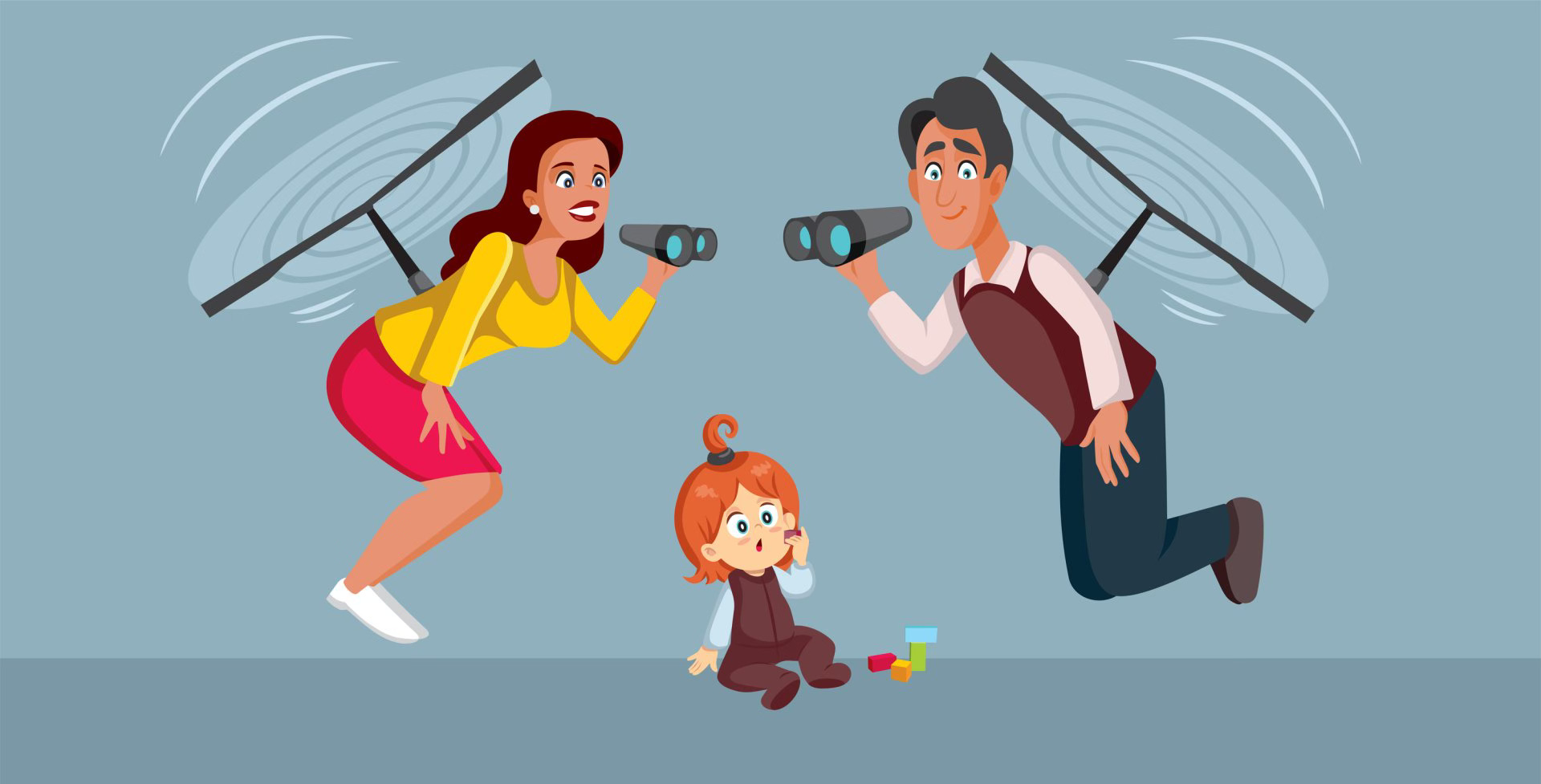
It’s the trade helicopter parents are making that is setting their kids up to fail.

“Your kid doesn’t need another sport coach, instructor, or guru.
They need more unsupervised hours to fail, adapt, & figure things out.
Being a helicopter parent makes you feel good because it gives you a sense of control.
But it’s exactly what screws kids up in the real world.”
-Ray Zingler on X
I never got into the fantasy genre, but I understand that many people like it.
But the fact of the matter is the books you read and the movies you watch aint reality.
And while you might say, “obviously” to that, many are raising their kids with fantasy-centric ideologies.
“More Specialization = More Susccess”
“More Structure = More Safety”
“More Supervision = Better Outcomes”
That’s as fantasy as any bullshit show you’ll watch on Netflix but we don’t call that spade a spade in this case because it’s too personal.
We call it (pretending to) “want what’s best for our kids”.
But as an organisim living in reality, I’ll call the spade the spade.
Many people don’t trust childhood anymore, so they outsource it.
People don’t let their kids ride bikes, play manhunt, and explore the woods behind their house because they heard the boogeyman was out there.
Are there bad people out there? There are. I’m not naïve to that.
But to think letting your kids brains and bodies rot inside on screens playing xbox is a better solution in the name of “satey” would make you, respectfully, fcking insane.
The likelihood of being attacked by the boogeyman outside is astronomically lower than acquiring the host of unending, compounding, negative benefits associated with melting brains on screens.
It’s the same thing as people fearing bear encounters in the woods, despite spiders being infinitely more “dangerous”.
The truth is, parents aren’t really after “what’s best” or “safety”, what they’re after is the illusion of control.
In fact, helicopter parenting isn’t really about kids at all.
It’s about adult anxiety.
And here’s another hard to swallow truth, control might reduce parental fear, but it does not reduce child risk.
And that’s exactly why you’re addicted to it, but sure, keep sheltering your kids in hopes of preventing their “addictions”.
When kids are left to be, hell I don’t know, kids.. they develop things like conflict resolution, risk calibration, creativity, leadership, emotional regulation, self-trust, and problem solving.
And guess where that serves them?
In the real world.
Your “good intentions”, though? They’re setting them up to fail.